Sands of Iwo Jima
Here in the story
Battle
The survivors join the patrol that fights its way up the volcano, and watch the flag go up on the summit.
General Tadamichi Kuribayashi turned this small volcanic island into a fortress of tunnels and bunkers. The 3rd, 4th and 5th Marine Divisions landed on 19 February 1945, and on 23 February Marines raised the flag on Mount Suribachi in the photograph that became an icon. The battle lasted until 26 March; almost all of the roughly 21,000 Japanese defenders died, and US casualties exceeded 26,000.
Here in the story
Battle
The survivors join the patrol that fights its way up the volcano, and watch the flag go up on the summit.
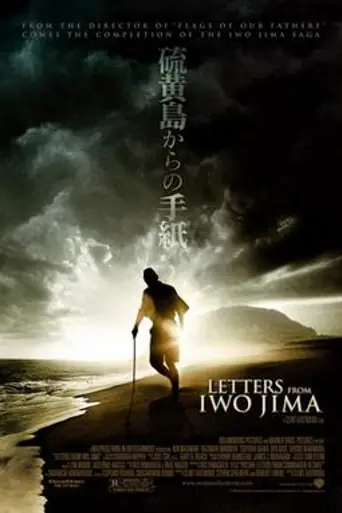
Here in the story
Base
Saigo is digging useless beach trenches when Kuribayashi arrives and orders the garrison underground, to the anger of his officers.
Battle
After days of bombardment the Marines land; cut off on the mountain, Saigo's unit is ordered to kill itself rather than retreat.
Front line
Pushed back to the north of the island, the last defenders prepare a final night attack while Saigo is told to burn the documents.
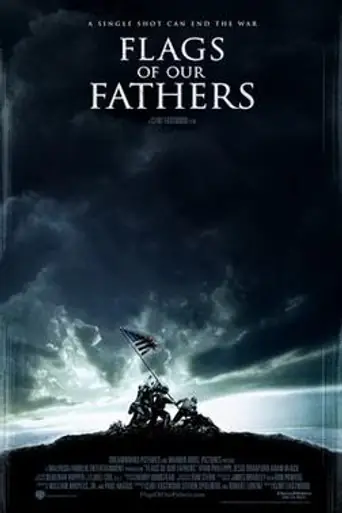
Here in the story
Landing
After three days of naval bombardment the Marines come ashore on black volcanic sand, and the hidden defenders open fire.
Battle
A replacement flag goes up on the summit, a photographer clicks his shutter, and the men carry on fighting without knowing what the picture will become.
Here in the story
Landing
Having turned down a safe job at home, Basilone goes back to war and leads his men off the beach.
Battle
US Marines fought for five weeks to take the small volcanic island from Japanese defenders dug into tunnels. Nearly all of the roughly 21,000 defenders died, and the flag raising on Mount Suribachi became an iconic image.
Read more on Wikipedia(opens in a new tab)