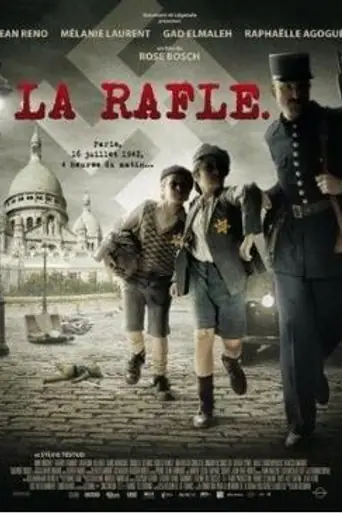
The Round Up
Here in the story
Camp
Arrested at dawn, the families are crammed into the stadium, where a nurse and a few firemen try to help them.
On 16 and 17 July 1942, French police acting on German demands arrested 13,152 Jews in Paris, more than 4,000 of them children. Families were packed into the Vélodrome d'Hiver, an indoor cycling track near the Eiffel Tower, for days with almost no water, food or sanitation, then sent to camps in the Loiret and to Drancy. Nearly all were deported to Auschwitz, and very few survived.
Here in the story
Camp
Arrested at dawn, the families are crammed into the stadium, where a nurse and a few firemen try to help them.
Here in the story
Camp
Arrested at dawn, Sarah and her parents are crammed into the stadium with thousands of others, the key still in her pocket.
Battle
French and British troops halted the German advance just east of Paris and pushed it back to the Aisne. Germany's plan for a quick victory in the west failed, and both sides dug the trenches that would define the Western Front for four years.
Read more on Wikipedia(opens in a new tab)Diplomacy
The victorious Allies imposed peace terms on Germany: loss of territory and colonies, disarmament, reparations and acceptance of responsibility for the war. Resentment of the treaty became a powerful tool for German nationalists, including Hitler.
Read more on Wikipedia(opens in a new tab)War
The French Resistance rose in Paris, and French and American troops entered the city six days later. The German commander surrendered on 25 August, and Charles de Gaulle returned to lead France.
Read more on Wikipedia(opens in a new tab)