Oppenheimer
Here in the story
City
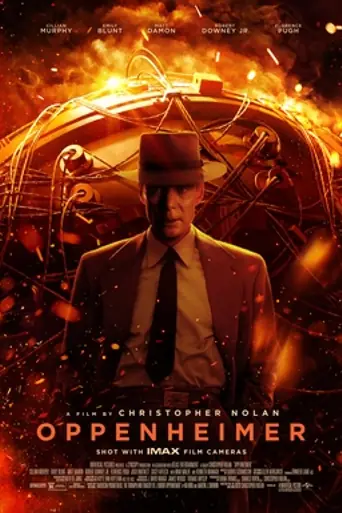
Celebrated as the father of the bomb, Oppenheimer tells President Truman he feels he has blood on his hands.
The American capital became the command centre of a global war after Japan's delayed diplomatic note arrived hours after the attack on Pearl Harbor. Roosevelt and Churchill planned Allied strategy here at the Arcadia Conference in December 1941, and the Pentagon opened in 1943. In August 1942 Eleanor Roosevelt welcomed the Soviet sniper Lyudmila Pavlichenko. After Roosevelt's death in April 1945, Harry Truman inherited the atomic bomb.
Here in the story
City
Celebrated as the father of the bomb, Oppenheimer tells President Truman he feels he has blood on his hands.
Here in the story
City
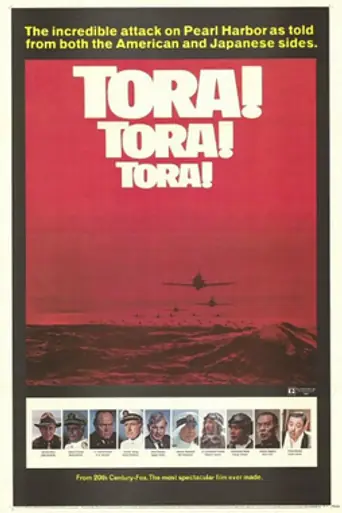
Intelligence officers decode the Japanese messages and race to warn their superiors, who hesitate while the clock runs out.
Here in the story
City
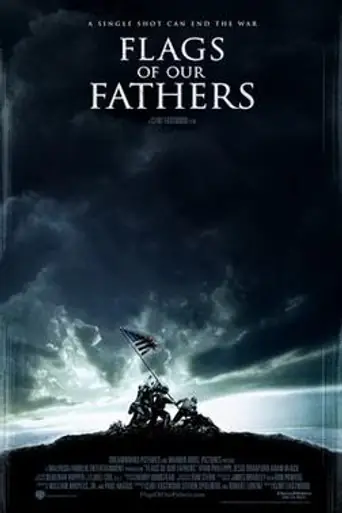
The three survivors are received as heroes and told that the war effort depends on them keeping the story simple.
Here in the story
City
Sent abroad as a propaganda star, Lyudmila befriends Eleanor Roosevelt and learns to speak for herself on American stages.
Politics
Angered by unrestricted submarine warfare and the Zimmermann Telegram, the US Congress declared war on Germany. Fresh American troops and resources tipped the balance toward the Allies in 1918.
Read more on Wikipedia(opens in a new tab)Technology
A British scientific mission led by Henry Tizard brought the cavity magnetron and other secrets to Washington. The magnetron made compact, precise radar possible, and American mass production put it on Allied ships and aircraft.
Read more on Wikipedia(opens in a new tab)Home front
The still-neutral United States authorized supplying weapons, food and fuel to Britain and later to the Soviet Union and China, with payment deferred. America became the 'arsenal of democracy' months before entering the war.
Read more on Wikipedia(opens in a new tab)Home front
President Roosevelt signed Executive Order 9066, which allowed the forced removal of more than 110,000 people of Japanese descent from the US West Coast. Most were American citizens held in camps for the rest of the war; the US government formally apologized in 1988.
Read more on Wikipedia(opens in a new tab)